
Introduction:
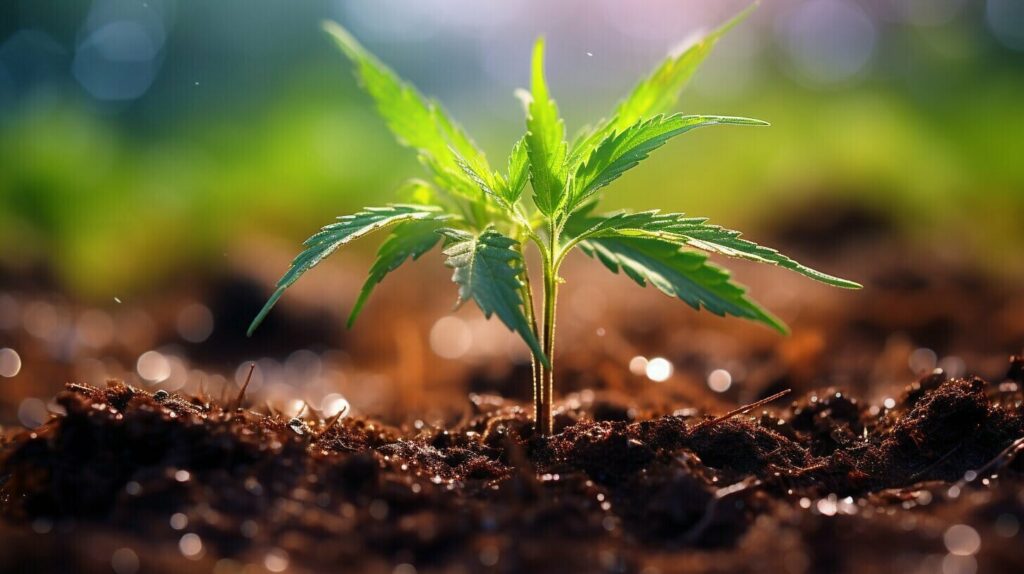
Selecting the right soil is a crucial step in the successful cultivation of cannabis seeds. High-quality soil provides essential nutrients, promotes healthy root development, and creates an optimal growing environment for your plants. In this guide, we’ll explore the factors to consider when choosing soil for cannabis seeds and provide recommendations for different growing setups and preferences.
Understanding Soil Composition:
Before diving into soil selection, it’s essential to understand the key components of soil and their roles in plant growth. Quality soil should provide adequate drainage, aeration, moisture retention, and nutrient availability to support healthy cannabis seedlings.
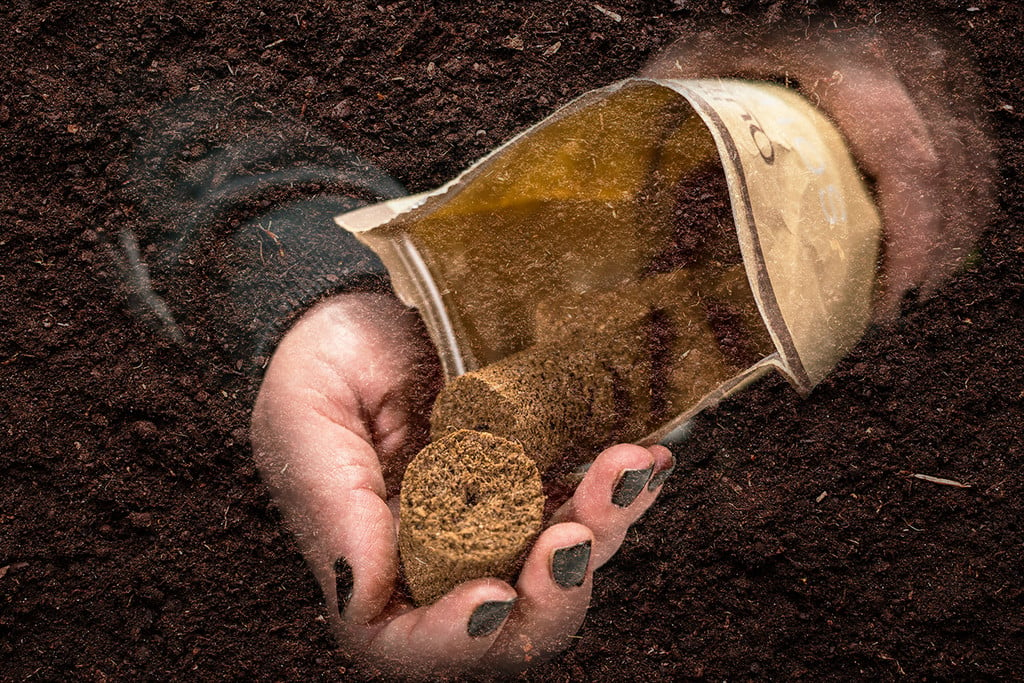
- Organic Matter: Organic matter, such as compost or humus, improves soil structure and fertility while enhancing microbial activity essential for nutrient cycling.
- Mineral Content: Soil minerals, including clay, sand, and silt, influence soil texture and water retention capacity. A balanced blend of these components ensures proper drainage and prevents waterlogged conditions.
- pH Levels: Cannabis plants thrive in slightly acidic to neutral soil with a pH range of 6.0 to 7.0. Maintaining optimal pH levels is crucial for nutrient uptake and overall plant health.
Types of Soil for Cannabis Cultivation:
Various types of soil are available to cannabis growers, each with its unique characteristics and suitability for different cultivation methods. Here are some common soil options to consider:
- Potting Mixes: Commercial potting mixes are convenient options for novice growers, as they come pre-mixed with a balanced blend of organic materials, perlite, and vermiculite. Look for potting mixes specifically formulated for cannabis cultivation, as they often contain beneficial additives such as mycorrhizae and beneficial bacteria.
- Coco Coir: Made from the fibrous husk of coconuts, coco coir is a popular alternative to traditional soil. It provides excellent water retention and aeration properties while remaining pH-neutral. Coco coir is often used in hydroponic systems or blended with other substrates for improved moisture retention and nutrient absorption.
- Super Soil: Super soil is a nutrient-rich soil mixture enriched with organic amendments such as compost, earthworm castings, and bat guano. This living soil promotes robust microbial activity and reduces the need for additional fertilizers throughout the growing cycle. While super soil requires upfront preparation, it can yield impressive results in terms of flavor and potency.
- Living Soil: Living soil mimics the natural ecosystem of the soil, incorporating a diverse array of organic matter and beneficial microorganisms. This sustainable approach focuses on building soil health over time, resulting in vibrant plant growth and increased terpene production. Living soil requires ongoing maintenance, including regular compost top-dressings and microbial inoculations, to sustain its fertility and microbial diversity.
Factors to Consider When Choosing Soil:
When selecting soil for cannabis seeds, several factors should influence your decision:
- Nutrient Content: Choose soil with a balanced nutrient profile to support seedling development without the risk of nutrient burn. Avoid soils labeled as “hot” or high in nutrients, as they may overwhelm young plants with excessive fertilization.
- Texture and Structure: Opt for soil with a loose, well-aerated texture to promote root penetration and prevent compaction. Sandy soils provide excellent drainage but may require more frequent watering, while clay soils offer better water retention but may become waterlogged without proper drainage.
- Water Retention: Consider the water retention properties of the soil, especially if you live in a dry climate or anticipate limited watering opportunities. Soil mixes with added perlite or vermiculite improve drainage and moisture retention, reducing the risk of overwatering or underwatering.
- Microbial Activity: Choose soil that supports beneficial microbial activity, as these microorganisms play a crucial role in nutrient cycling and plant health. Look for soils enriched with mycorrhizae, beneficial bacteria, and earthworm castings to enhance soil fertility and promote root development.
Testing and Amending Soil:
Before planting cannabis seeds, it’s advisable to test the pH and nutrient levels of your soil to ensure optimal growing conditions. Home soil test kits are readily available and provide valuable insights into soil composition and fertility. Based on the test results, you may need to amend the soil with pH adjusters, organic fertilizers, or micronutrient supplements to achieve the ideal growing environment for your cannabis plants.
Conclusion:
Choosing the best soil for cannabis seeds is a critical step in the cultivation process, with implications for plant health, growth, and ultimately, harvest quality. By understanding soil composition, considering different soil types, and evaluating key factors such as nutrient content and texture, growers can select the ideal soil for their specific needs and preferences. Whether you opt for commercial potting mixes, coco coir, super soil, or living soil, investing in quality soil sets the foundation for successful cannabis cultivation and ensures a bountiful harvest of premium-quality buds. With proper soil selection and care, you’ll be well on your way to cultivating healthy, vibrant cannabis plants from seed to harvest.