CBD oil has exploded in popularity over the past few years. With so many brands available online and in stores, one common question keeps coming up: is premium CBD oil really worth the higher price, or can you save money by choosing a cheaper option?
At first glance, most CBD oils look similar — small bottles, dropper caps, hemp extracts, and wellness promises. But when you look closer at ingredients, sourcing, testing, and manufacturing, the differences between cheap and premium CBD oil become much clearer.
If you’re trying to decide which one offers better value, this guide will help you understand what you’re really paying for.
Why CBD Oil Prices Vary So Much
CBD oil pricing can range dramatically. Some bottles cost very little, while others are priced significantly higher. The difference is not random.
Price variations are influenced by:
- Hemp quality
- Extraction method
- Third-party lab testing
- Cannabinoid profile
- Manufacturing standards
- Brand transparency
Understanding these factors helps you see beyond marketing and focus on real product quality.

Hemp Source: The Foundation of Quality
The quality of CBD oil starts with the hemp plant itself.
Cheap CBD Oil and Low-Quality Hemp
Budget products often use hemp grown in regions with less strict agricultural regulations. In some cases, soil quality, pesticide use, and heavy metal contamination are not carefully monitored.
Because hemp absorbs compounds from the soil, low-quality growing conditions can impact the final product.
Premium CBD Oil and Controlled Cultivation
Premium brands typically source hemp from farms that follow strict agricultural standards. Many use organically grown hemp or pesticide-free cultivation methods.
Higher-quality hemp often results in cleaner extracts with better cannabinoid consistency.
Extraction Methods: How CBD Is Pulled from the Plant
Extraction is a critical step in producing CBD oil.
Solvent Extraction in Cheap CBD Oil
Lower-priced products may use solvent-based extraction methods. While this reduces production costs, improper processing can leave behind residual solvents.
Although not all inexpensive oils are unsafe, lower-cost extraction methods increase the risk of impurities if quality control is weak.
CO₂ Extraction in Premium CBD Oil
Premium CBD oil is often extracted using supercritical CO₂ extraction. This method is more expensive but allows precise control over temperature and pressure, producing a cleaner and more stable extract.
CO₂ extraction helps preserve beneficial cannabinoids and terpenes without leaving harmful residues.
Third-Party Lab Testing: Transparency Matters
One of the biggest differences between cheap vs premium CBD oil lies in lab testing.
Limited or No Testing in Cheap Products
Some low-cost CBD oils either do not provide lab reports or offer incomplete documentation. Without third-party testing, it is difficult to verify:
- Cannabinoid content
- THC levels
- Heavy metals
- Pesticides
- Microbial contaminants
This lack of transparency increases uncertainty.
Verified Certificates of Analysis in Premium Brands
Premium CBD oil brands typically provide third-party Certificates of Analysis (COAs). These reports confirm the product’s potency and safety.
Accessible lab reports demonstrate accountability and allow consumers to make informed decisions.
Cannabinoid Profile and Spectrum
CBD oil products are available in different forms:
- Full-spectrum
- Broad-spectrum
- CBD isolate
Cheap CBD Oil and Isolates
Lower-priced products often use CBD isolate because it is cheaper to produce. While isolate contains pure CBD, it lacks other cannabinoids and terpenes.
This may reduce the potential “entourage effect,” where multiple plant compounds work together.
Premium CBD Oil and Full-Spectrum Formulas
Premium oils frequently use full-spectrum or broad-spectrum extracts. These preserve additional cannabinoids and terpenes that may enhance overall effectiveness.
Maintaining a richer cannabinoid profile requires more advanced extraction and refinement processes.
Carrier Oils and Ingredients
CBD extract is usually blended with a carrier oil such as MCT oil, hemp seed oil, or olive oil.
Ingredient Simplicity in Budget Products
Some cheap CBD oils use lower-cost carrier oils without prioritizing flavor, absorption, or nutritional value.
Artificial flavoring may also be added to mask unpleasant taste.
Clean Formulation in Premium Options
Premium CBD oil brands often use high-quality carrier oils and avoid unnecessary additives. Clear labeling and minimal ingredients indicate attention to product integrity.
A simple, transparent ingredient list is generally a good sign.
Manufacturing Standards and Quality Control
Production standards influence both safety and consistency.
Cheap Manufacturing Practices
Lower-cost CBD oil may be manufactured in facilities that lack strict quality assurance processes. Inconsistent batch production can result in uneven potency from one bottle to another.
Premium Production Standards
Premium brands typically manufacture in facilities that follow Good Manufacturing Practices (GMP). This ensures better quality control and product consistency.
Consistent potency is especially important for users who rely on precise dosing.
Packaging and Shelf Stability
Packaging affects product longevity.
Cheap CBD oil may use lower-quality bottles that do not protect against light exposure. Light can degrade cannabinoids over time.
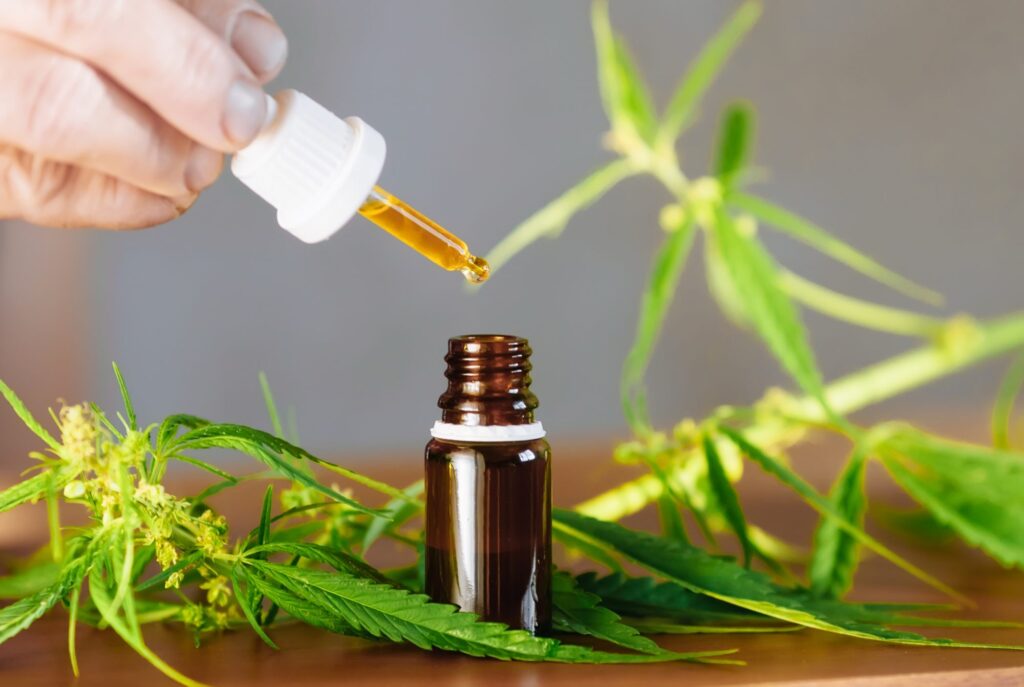
Premium CBD oil often comes in dark glass bottles that help preserve potency by minimizing light damage.
While packaging alone does not determine quality, it reflects brand attention to detail.
Does Higher Price Always Mean Better Quality?
Not necessarily.
While premium CBD oil often offers better sourcing, testing, and manufacturing practices, high price alone does not guarantee quality. Some brands charge more for marketing rather than product improvements.
The key is to evaluate:
- Lab reports
- Hemp source
- Extraction method
- Ingredient transparency
- Brand reputation
A moderately priced CBD oil with verified testing may offer excellent value.
Who Should Choose Premium CBD Oil?
Premium CBD oil may be a better choice for:
- Individuals using CBD regularly
- People sensitive to additives
- Those concerned about contaminants
- Users who prefer full-spectrum formulations
- Consumers who want detailed lab verification
If you rely on CBD for wellness support, consistency and purity become more important.
When Cheap CBD Oil Might Be Acceptable
If you are experimenting with CBD for the first time and using small amounts, a lower-cost product with verified lab testing may be sufficient.
However, it’s important to ensure that even affordable options provide transparent third-party reports.
Safety should never be compromised for cost savings.
Red Flags to Watch Out For
Regardless of price, avoid CBD oil that:
- Makes unrealistic health claims
- Lacks third-party lab results
- Does not list ingredient details
- Has unclear THC content
- Offers extremely low prices that seem unrealistic
Responsible brands focus on education and transparency rather than exaggerated promises.
The Real Difference: Value vs Cost
The real difference between cheap vs premium CBD oil is not just price — it’s value.
Premium CBD oil often reflects higher production standards, cleaner extraction methods, and verified lab testing. These factors contribute to product reliability and safety.
Cheap CBD oil may reduce upfront costs, but potential compromises in testing or sourcing can affect overall quality.
Choosing wisely involves balancing affordability with transparency and verified quality.
Read Also : The Truth About Organic CBD Oil: What Labels Really Mean
Final Thoughts
When comparing cheap vs premium CBD oil, focus on what truly matters: hemp source, extraction method, lab testing, ingredient transparency, and manufacturing standards.
Price alone does not define quality. However, extremely low prices may indicate shortcuts in sourcing or testing.
Investing in well-tested, responsibly produced CBD oil can offer better peace of mind and consistent results over time.
Ultimately, the best CBD oil is one that combines safety, transparency, and fair pricing — allowing you to prioritize both wellness and informed decision-making.