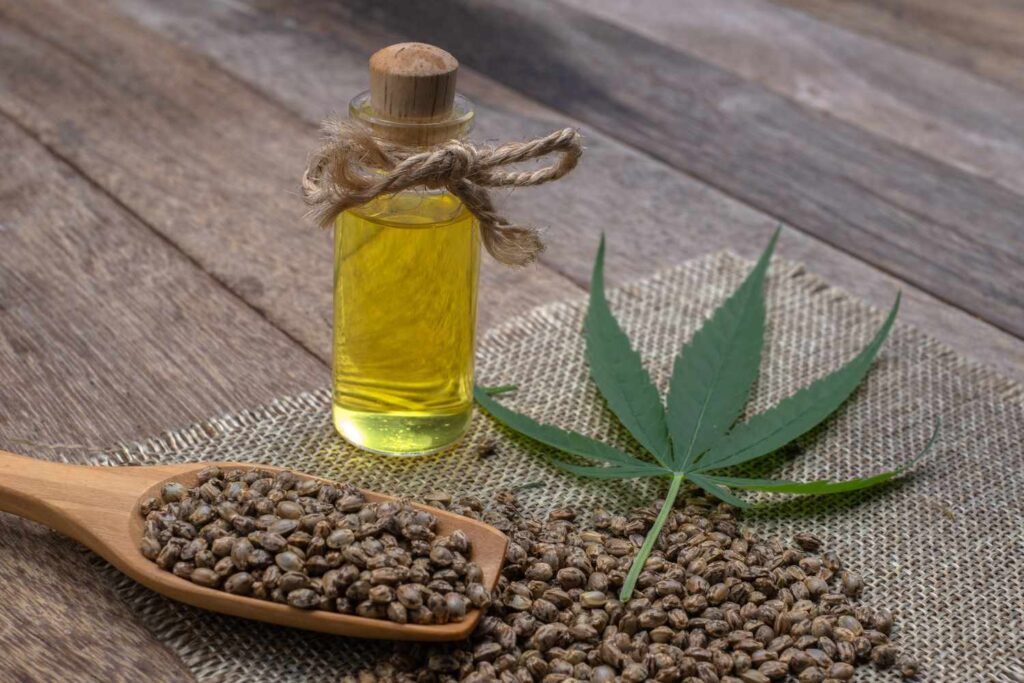
Choosing the right CBD oil can feel overwhelming, especially when brands highlight buzzwords like organic, pure, natural, and clean. Among these, “organic CBD oil” has become one of the most popular terms in the wellness industry. But what does it actually mean? And does “organic” on the label guarantee better quality?
Understanding what organic CBD oil truly represents helps consumers make informed, safe, and value-driven choices. This guide breaks down the meaning behind organic certification, how it differs from non-organic CBD, and what to look for before buying.
Why “Organic” Matters in CBD Products
The organic label isn’t just a marketing trend. It reflects how the hemp plant was grown, harvested, processed, and extracted. Hemp is a bioaccumulator, meaning it absorbs everything from the surrounding soil—nutrients, chemicals, pesticides, and even heavy metals.
This makes the term organic more important for CBD than many other wellness products.
When hemp is grown organically, it helps ensure fewer contaminants, cleaner extraction, and a safer final product. But the challenge is that not all “organic” labels are equal. Some are strictly regulated, while others are loosely used for promotional purposes.
Understanding the Basics: What Makes CBD Oil “Organic”?
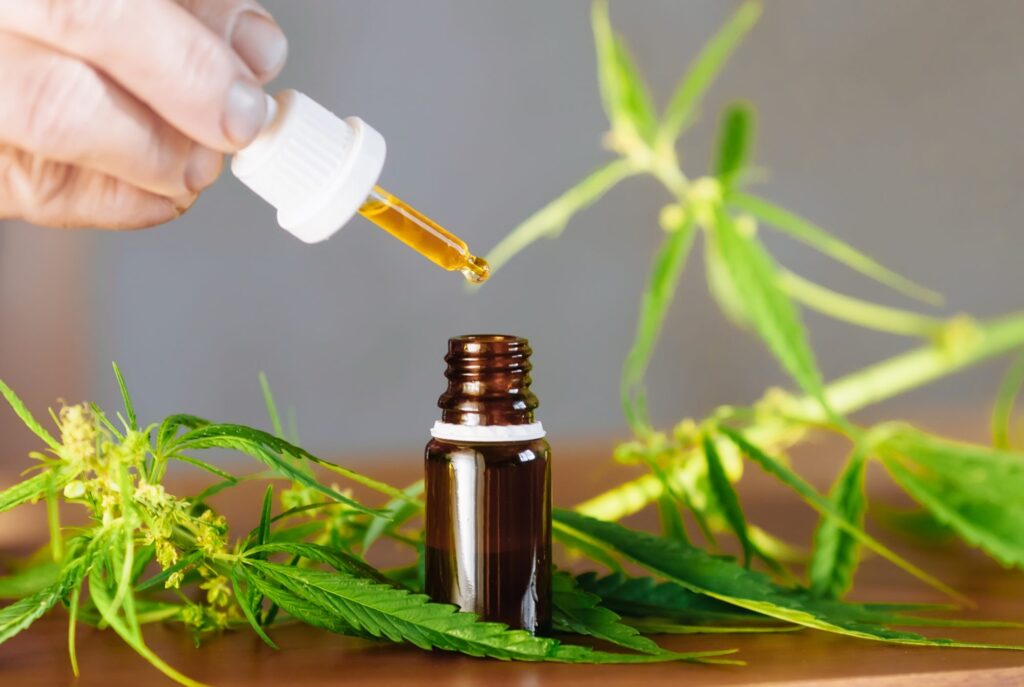
To be considered organic, CBD oil must follow certain farming and processing guidelines. These rules differ across countries, but the core principles remain the same.
Below are the main requirements for genuinely organic CBD oil.
Organic Farming Practices
Hemp must be grown without synthetic pesticides, herbicides, or genetically modified seeds. Farmers use natural soil enhancers, crop rotation, and eco-friendly pest control practices to keep the plant healthy.
No Chemical Fertilizers or Growth Boosters
Chemical fertilizers may increase yield, but they can leave toxic residues behind. Organic farms rely on compost, manure, and natural minerals to enrich the soil.
Clean Extraction and Processing Methods
Even if the hemp is organic, the oil is not considered organic unless extraction also follows strict rules. Certified organic CBD oil is usually extracted using:
- CO₂ extraction
- Organic ethanol extraction
These methods avoid harmful chemical solvents and preserve the cannabinoids and terpenes.
High-Quality Carrier Oils
CBD oil is almost always mixed with a carrier oil like MCT, hemp seed, or olive oil. To qualify as organic, the carrier oil must also be certified organic.
Organic Certification: What the Labels Really Mean
Not all “organic” labels are the same. Some are verified by regulated authorities, while others are marketing claims without proper backing.
Knowing the difference helps you avoid misleading products.
USDA Organic
The USDA Organic label is one of the most trusted certifications. Products must meet strict guidelines related to farming, soil quality, pesticide use, extraction, and ingredient sourcing.
However, not all CBD oils can carry this seal because regulations vary by state.
Organic Hemp vs Organic CBD Oil
A product may be labeled organic hemp even if the final CBD oil isn’t certified. This happens when extraction or carrier oils do not meet the full organic criteria.
Always look for “organic CBD oil,” not just “organic hemp.”
Non-Certified “Organic” Claims
Some brands use terms like “organically grown,” “made with organic ingredients,” or “organic formula.”
These can be misleading because they may not indicate true certification. While they are not always false, they require more investigation.
Organic vs Non-Organic CBD Oil: What’s the Difference?
Understanding how organic CBD oil compares to non-organic options can help consumers make a more confident choice.
Purity and Safety
Organic CBD oil is generally safer because it reduces the risk of:
- Pesticides
- Heavy metals
- Chemical fertilizers
- Residual solvents
Non-organic products may have higher contamination levels if they are not properly tested.
Environmental Impact
Organic farming supports:
- Soil health
- Biodiversity
- Water conservation
- Sustainable agriculture
Non-organic farming can damage soil and increase chemical pollution.
Nutrient and Cannabinoid Profile
Some studies suggest that organically grown plants may have:
- Higher terpene content
- Better cannabinoid concentrations
- Improved flavor and aroma
Cleaner soil often produces healthier hemp.
Price Differences
Organic CBD oil often costs more due to:
- Stricter farming practices
- Certification expenses
- Higher-quality ingredients
However, the benefits often justify the price for wellness-focused users.
How to Read CBD Oil Labels: Avoiding Misleading Claims
Labels can be confusing, so knowing what to look for can help you spot authentic organic CBD oil.
Look for Third-Party Lab Testing (COAs)
A Certificate of Analysis should show:
- Pesticide levels
- Heavy metal screening
- Residual solvent testing
- Cannabinoid and terpene profile
This ensures transparency and safety, whether organic or not.
Check Ingredient Purity
A true organic CBD oil will list:
- Organic CBD extract
- Organic carrier oil
- No artificial flavors
- No synthetic additives
Shorter ingredient lists usually indicate higher quality.
Verify Source of Hemp
Organically grown hemp often comes from regions known for strict regulations, such as:
- United States
- Canada
- Europe
Low-quality hemp is commonly sourced from regions with limited farming oversight.
Is Organic CBD Oil Worth the Higher Price?
The answer depends on your priorities. If you value purity, safety, and sustainable farming, organic CBD oil is usually the better option. It’s ideal for:
- Daily wellness routines
- Long-term use
- Sensitive users
- Those avoiding chemicals or allergens
Non-organic CBD can still be good if it is thoroughly tested and responsibly made, but organic products offer extra assurance.
Read Also : The Role of CBD Oil in Pain Management and Inflammation
Final Thoughts: Making the Right Choice for Your Wellness
Organic CBD oil is more than a trendy label—it’s a sign of cleaner farming, safer extraction, and higher-quality products. But with so many brands using the word “organic,” it’s important to look beyond packaging and examine certifications, lab tests, and ingredient lists.
Being an informed buyer means understanding what labels truly represent. Whether you choose organic or non-organic CBD oil, selecting transparent, high-quality, and lab-tested products is key to a better wellness experience.