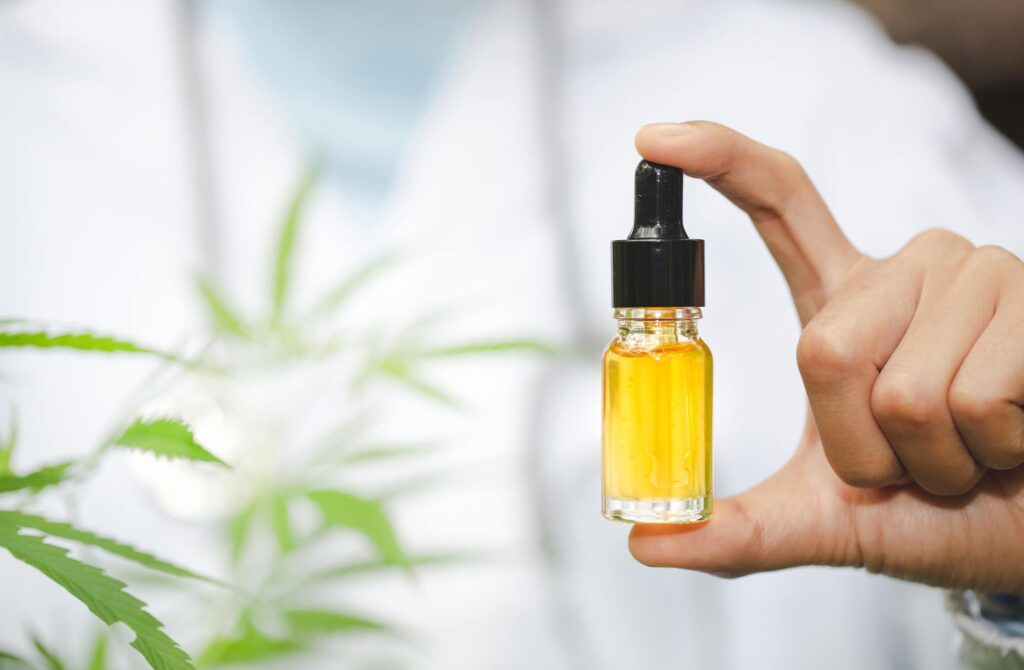
The CBD market has grown rapidly, but with that growth comes a major problem: fake and low-quality CBD oil products. Many brands cut corners, dilute their oils, or mislabel ingredients, leaving consumers with something that does not work — or worse, something unsafe. If you want to enjoy the true benefits of CBD, knowing how to identify real vs fake CBD oil is essential.
In this guide, you’ll learn the most common red flags, the science behind spotting fake CBD, and the simple steps every buyer should follow before purchasing CBD oil.
Why Fake CBD Oil Is Becoming More Common
As CBD becomes mainstream, more companies are entering the market to make quick profits. Some use cheap ingredients, while others label hemp seed oil as CBD oil. Since many consumers don’t know the difference, fake products often slip through.
This is why checking product quality is not optional — it protects your health and your wallet.
How to Know If Your CBD Oil Is Fake
Not all fake CBD oils are obvious. Some look professional, come in premium bottles, and have attractive branding. However, the signs are easy to spot when you know what to look for.
Below are the key indicators every buyer should pay attention to.
1. The Product Has No Third-Party Lab Report (COA)
A real CBD brand always provides a Certificate of Analysis (COA) from an independent lab. This report verifies:
- CBD content
- THC levels
- Presence of contaminants
- Actual potency
Without this certificate, there is no way to confirm the oil contains real cannabinoids.
Where to find the COA
Most trustworthy brands display the COA on their website or attach a QR code on the product label. If a company refuses to share it, treat it as a major red flag.
2. The Price Seems “Too Good to Be True”
High-quality CBD extraction is expensive. Fake CBD brands often lure buyers with extremely low prices.
What to watch out for
- Prices much lower than the market average
- Large bottles sold at suspiciously cheap rates
- Discounts that seem unrealistic
If the price doesn’t match the industry standard, it’s likely fake or heavily diluted.
3. The Label Is Vague or Misleading
A fake CBD oil product usually avoids giving detailed information. The packaging may look nice, but the details will reveal the truth.
Warning signs on labels
- No mention of “CBD extract” or cannabinoids
- Marketing-only words like “hemp oil” or “hemp extract”
- Missing potency details (mg per bottle or per dose)
- No ingredients list
Brands that hide information are usually hiding something important.
4. The Oil Uses Only “Hemp Seed Oil” Instead of CBD Extract
This is one of the most common scams. Many cheap products sell hemp seed oil and advertise it as CBD oil. Hemp seed oil is healthy but contains no CBD, no cannabinoids, and no therapeutic effects.
How to spot the difference
- Real CBD oil ingredients: CBD extract, full-spectrum hemp extract
- Fake CBD oil ingredients: hemp seed oil only
Always read the ingredient list before buying.
5. The Cannabinoid Content Is Not Consistent
Fake CBD brands often make exaggerated claims. Some promise 10,000 mg CBD, which is impossible in a small bottle. Others offer mismatched numbers that don’t make sense.
Check for consistency
Look for brands whose mg count aligns with industry norms such as:
- 500 mg
- 1000 mg
- 1500 mg
- 3000 mg
Anything extremely high without lab proof is likely fake.
6. No Mention of the Extraction Method
A professional CBD supplier always reveals how the CBD was extracted.
Trusted extraction methods
- CO₂ extraction
- Ethanol extraction
Red flags
- No extraction method mentioned
- Claims like “proprietary formula”
- Cheap methods such as solvent or butane extraction (unsafe)
If a company doesn’t explain their extraction process, their product may not be safe.
7. Suspicious Smell, Taste, or Texture
Even without lab tests, your senses can reveal a lot about CBD oil quality.
What fake CBD may look or feel like
- Very thin and watery consistency
- Strong artificial smell
- Bitter or chemical-like taste
- Cloudy appearance
Real CBD oil usually has:
- A natural herbal aroma
- Smooth texture
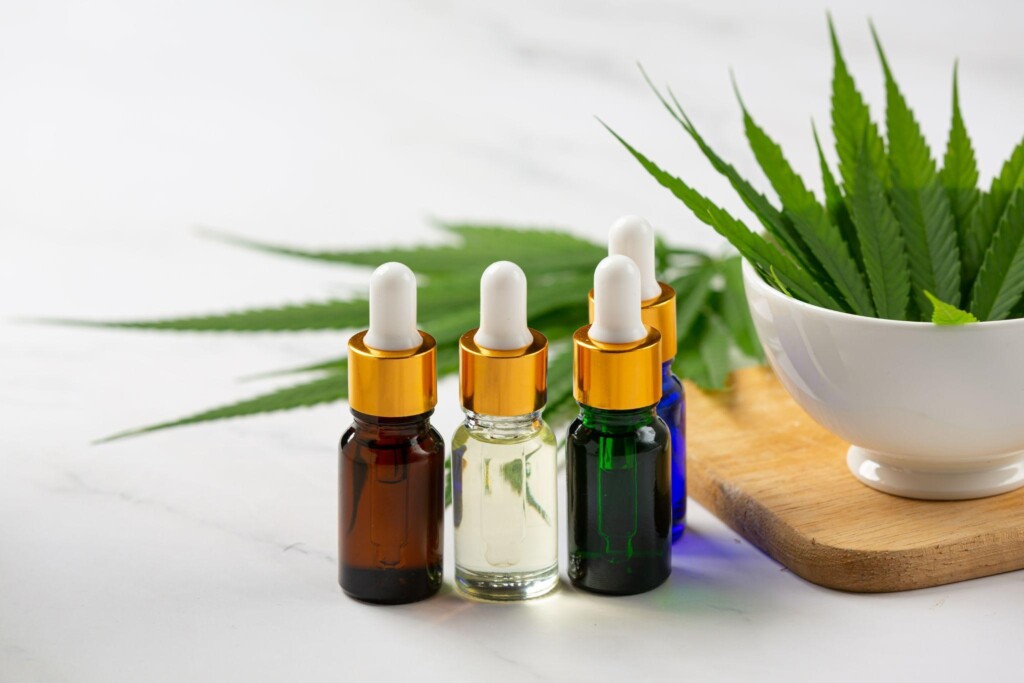
- Clear, golden or amber color (depending on extraction)
If anything smells off, don’t consume it.
8. No Brand Background or Company Information
Legitimate CBD brands are transparent about:
- Their founders
- Their mission
- Their location
- Their manufacturing process
Fake brands, on the other hand, often hide behind:
- Generic websites
- No customer service number
- No business address
- No social media presence
A company with no traceable identity should never be trusted with your health.
9. Over-the-Top Medical Claims
CBD is beneficial, but it is not a miracle cure. Fake brands often exaggerate benefits to attract buyers.
Fake CBD claim examples
- “Cures cancer instantly”
- “Guaranteed to eliminate all pain”
- “Works within minutes for every condition”
Real brands provide education — not unrealistic promises.
10. The Product Doesn’t Provide Usage Instructions
Authentic CBD companies guide users on:
- Dosage
- How to take CBD
- Safety precautions
- Any important warnings
Fake CBD products usually skip this because their product isn’t tested or standardized.
How to Make Sure Your CBD Oil Is Authentic
Now that you know the red flags, here’s how to confidently buy real, safe CBD oil.
Check the COA every time
Confirm the lab report matches the:
- Brand name
- Batch number
- Potency
- Cannabinoid profile
Buy from reputable brands
Look for companies with real reviews and a strong online presence.
Read customer feedback
Authentic customers will mention real results, flavor, and transparency.
Avoid unknown marketplaces
Many fake CBD oils come from:
- Random websites
- Pop-up sellers
- Unverified online stores
Stick to trusted sources only.
Read Also : The Role of CBD Oil in Pain Management and Inflammation
Final Thoughts: Protect Yourself by Choosing Quality CBD Oil
As CBD becomes more popular, fake products will continue to appear in the market. But with the right knowledge, you can easily differentiate authentic CBD oil from low-quality or unsafe alternatives. Always check lab reports, read labels carefully, and buy from reputable brands that value transparency.
Being an informed buyer not only protects your health but also ensures you get the full therapeutic benefits that real CBD oil offers.