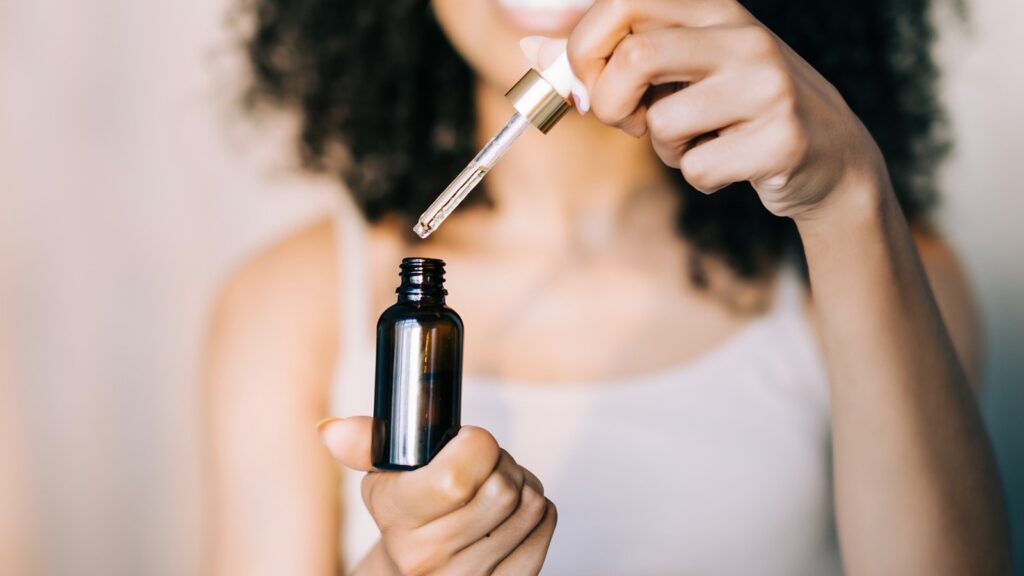
CBD oil has gained significant attention in the skincare world for its potential to improve skin health and address various concerns, including acne, eczema, and signs of aging. Derived from the cannabis plant, cannabidiol (CBD) is a non-psychoactive compound known for its anti-inflammatory, antioxidant, and moisturizing properties. CBD’s versatility makes it an appealing ingredient in skincare, providing benefits for people with different skin types and issues. This guide explores how CBD oil can help with acne, eczema, and aging skin, and provides tips on how to use it effectively.
Understanding CBD Oil’s Role in Skin Health
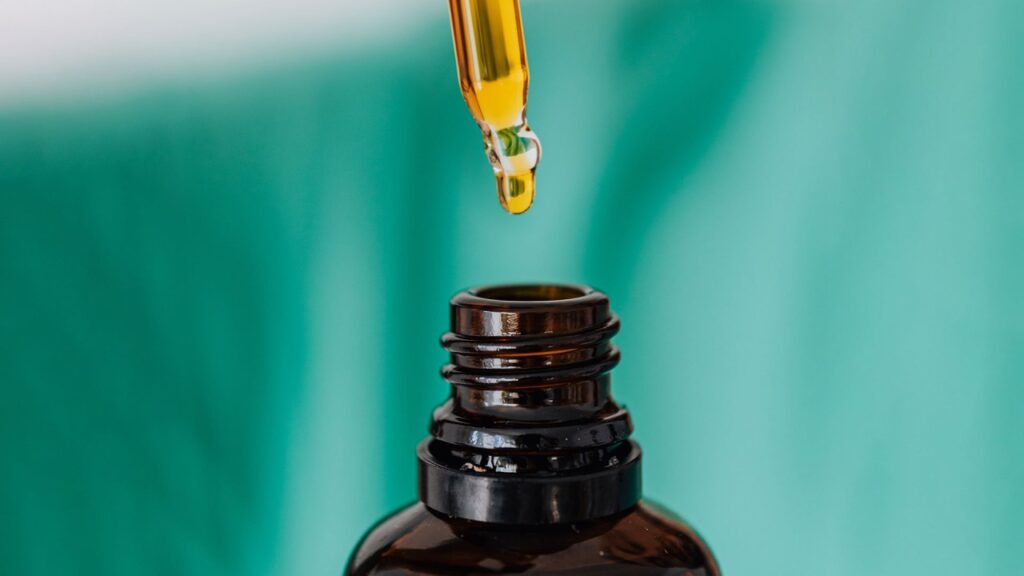
CBD oil interacts with the body’s endocannabinoid system (ECS), which plays a role in regulating various physiological processes, including those involved in skin health. The ECS has receptors in the skin that respond to CBD, influencing processes such as inflammation, cell turnover, and oil production. CBD oil’s beneficial properties make it suitable for addressing common skin issues by working with the ECS to balance and improve skin health.
Benefits of CBD Oil for Acne
Acne is often caused by clogged pores, bacteria, excess oil production, and inflammation. Many traditional acne treatments can be harsh, leading to dryness, irritation, or even worsening the condition. CBD oil offers a gentle alternative that targets several factors involved in acne formation.
- Reduces Sebum Production: Overactive sebaceous glands produce excess oil, which can clog pores and lead to acne. CBD oil has been shown to regulate sebum production, helping to prevent clogged pores and reduce acne breakouts.
- Anti-Inflammatory Properties: Inflammation is a key factor in acne, causing redness, swelling, and discomfort. CBD oil’s anti-inflammatory properties help calm inflamed skin, making it particularly useful for treating painful, cystic acne. By reducing inflammation, CBD oil can improve the appearance of acne-prone skin and reduce the risk of post-inflammatory hyperpigmentation.
- Antibacterial Effects: Bacteria, particularly Propionibacterium acnes (P. acnes), contribute to acne by causing inflammation and infection in clogged pores. Some studies suggest that CBD oil has antibacterial properties that can help reduce the presence of acne-causing bacteria on the skin.
- Antioxidant Support: CBD oil’s antioxidant properties can help protect skin from environmental damage, which may contribute to acne. By reducing oxidative stress, CBD oil helps maintain healthy skin, reducing the likelihood of breakouts.
Using CBD Oil for Acne-Prone Skin
If you’re interested in using CBD oil to manage acne, consider starting with a topical product, such as a serum, lotion, or spot treatment. These products allow you to apply CBD oil directly to affected areas, targeting acne-prone spots without risking irritation on other parts of the face. Look for products with full-spectrum CBD or CBD isolate, which contain high concentrations of cannabidiol. Avoid products with heavy oils or fragrances, as these can clog pores and worsen acne. Use CBD oil after cleansing and before moisturizing, applying a thin layer to acne-prone areas or individual blemishes.
Benefits of CBD Oil for Eczema
Eczema is a chronic skin condition characterized by red, itchy, and inflamed skin. It can be triggered by factors like stress, allergies, or environmental changes, leading to discomfort and even pain. CBD oil’s properties make it well-suited for managing eczema symptoms in several ways.
- Soothes Inflammation: Eczema is marked by inflammation, leading to redness, itchiness, and swelling. CBD oil’s anti-inflammatory effects can help soothe inflamed skin, reducing the discomfort associated with eczema. By calming the skin, CBD oil can make flare-ups less painful and easier to manage.
- Moisturizes Dry Skin: Eczema often leads to a damaged skin barrier, resulting in excessive dryness and increased sensitivity to irritants. CBD oil is naturally moisturizing and contains essential fatty acids, such as omega-3 and omega-6, which support skin barrier function and hydration. Regular application of CBD oil can improve skin moisture levels, reducing eczema’s drying effects.
- Reduces Itching: One of the most challenging aspects of eczema is the persistent itching, which can lead to scratching and worsen the condition. CBD oil has shown potential in reducing itchiness by interacting with skin receptors, providing relief from one of the most irritating symptoms of eczema.
- Supports Skin Barrier Health: A compromised skin barrier is a common issue for those with eczema, making the skin more susceptible to allergens and irritants. CBD oil’s fatty acids and moisturizing properties can help repair and strengthen the skin barrier, preventing future flare-ups and reducing sensitivity.
Using CBD Oil for Eczema-Prone Skin
For eczema, it’s often best to use CBD oil in the form of a moisturizing cream, balm, or ointment. Apply CBD oil to clean, dry skin, focusing on areas where eczema flare-ups are common. Choose a product formulated specifically for sensitive or eczema-prone skin, as these are less likely to contain irritating ingredients. Consistent use of CBD oil can help keep eczema symptoms in check and prevent flare-ups. If you experience any adverse reactions, discontinue use and consult a dermatologist.
Benefits of CBD Oil for Aging Skin
Aging is a natural process that leads to visible changes in the skin, such as fine lines, wrinkles, and loss of elasticity. Factors like sun exposure, pollution, and lifestyle choices accelerate the aging process, making it more challenging to maintain youthful-looking skin. CBD oil has several properties that may benefit aging skin by addressing some of the underlying causes of skin aging.
- Rich in Antioxidants: CBD oil contains powerful antioxidants that help protect skin cells from free radical damage caused by UV radiation and pollution. Free radicals break down collagen and elastin, leading to wrinkles and sagging skin. By neutralizing these harmful molecules, CBD oil helps preserve the skin’s structure and appearance.
- Moisturizing Properties: As we age, our skin naturally produces less oil, leading to dryness and fine lines. CBD oil is rich in fatty acids that help lock in moisture, keeping the skin hydrated and soft. This added moisture helps reduce the appearance of fine lines and gives the skin a smoother texture.
- Anti-Inflammatory Effects: Chronic inflammation accelerates the aging process by breaking down collagen and weakening the skin’s barrier. CBD oil’s anti-inflammatory properties help reduce redness and puffiness, promoting a more even and youthful complexion.
- Promotes Collagen Production: While more research is needed, some studies suggest that CBD oil may support collagen production, helping to maintain skin elasticity. Collagen is essential for keeping skin firm and resilient, and preserving collagen levels can reduce the visible signs of aging.
Using CBD Oil for Anti-Aging Skin Care
To incorporate CBD oil into an anti-aging routine, use a CBD-infused serum or facial oil after cleansing. Gently massage a few drops onto your face, focusing on areas prone to wrinkles, such as the forehead, around the eyes, and near the mouth. CBD oil can be layered under moisturizer for added hydration. To maximize anti-aging benefits, combine CBD oil with other ingredients like hyaluronic acid or vitamin C, which support hydration and brightening.
How to Choose High-Quality CBD Oil for Skin Care
With the growing popularity of CBD in skincare, it’s important to choose high-quality products to ensure effectiveness and safety. Here are some tips for selecting the best CBD oil for your skin care needs:
- Look for Lab-Tested Products: Reputable brands provide third-party lab testing results to confirm the concentration and purity of their CBD products. Lab results ensure that the product is free from harmful additives or contaminants.
- Check the CBD Type: CBD products come in three types: full-spectrum, broad-spectrum, and isolate. Full-spectrum CBD contains additional cannabinoids and terpenes that may enhance its benefits, while isolate contains only CBD. For skin care, full-spectrum or broad-spectrum products are often preferred for their entourage effect.
- Choose Organic and Natural Ingredients: CBD products with organic ingredients are less likely to contain pesticides or synthetic additives. Look for products with natural oils, like jojoba or coconut oil, which complement CBD’s effects.
- Consider Concentration: The concentration of CBD in a product can vary widely. For mild skin issues, a low-concentration product may be sufficient, while moderate to high concentrations are ideal for addressing issues like acne, eczema, or aging.
Potential Side Effects and Considerations
CBD oil is generally considered safe for topical use, but some people may experience mild side effects, especially if they have sensitive skin. These side effects can include redness, irritation, or a slight burning sensation. To avoid adverse reactions, patch test a small amount of CBD oil on your skin before applying it more widely. Avoid applying CBD oil to broken or irritated skin, and consult a dermatologist if you’re unsure about how it might interact with other skincare products or medications.
Read Also : The Top 5 Benefits of Incorporating CBD Oil into Your Skin Care Regimen
Final Thoughts
CBD oil is an exciting addition to skincare for those seeking natural solutions to common issues like acne, eczema, and signs of aging. Its anti-inflammatory, moisturizing, and antioxidant properties make it suitable for a variety of skin concerns and types. By incorporating CBD oil into your routine thoughtfully and choosing high-quality products, you can support skin health, enhance your complexion, and potentially slow down the signs of aging. Whether you’re looking to calm acne, soothe eczema, or rejuvenate mature skin, CBD oil offers a gentle yet effective approach to achieving healthier, more radiant skin.