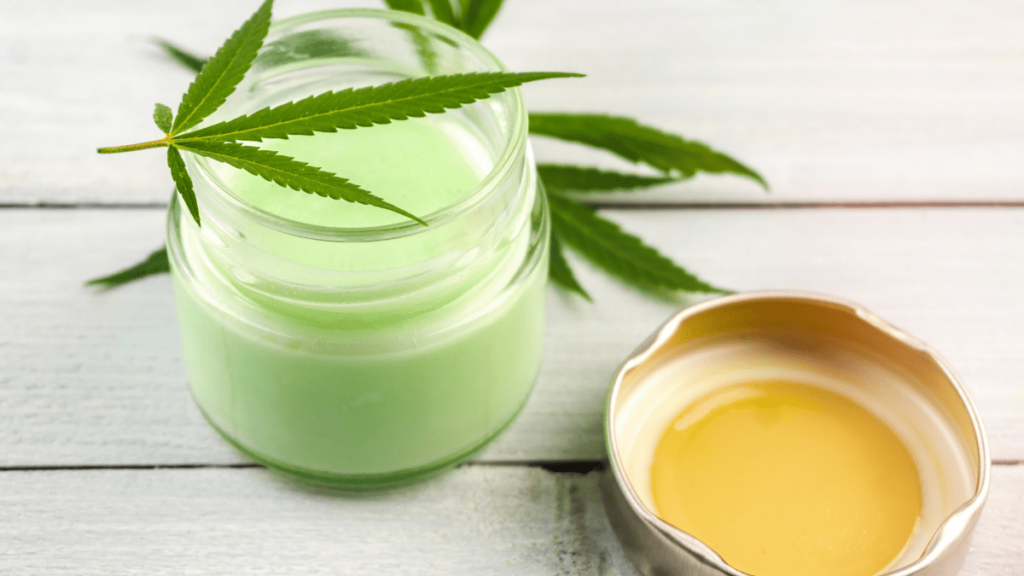
CBD-infused topicals have gained massive popularity due to their soothing properties for the skin and their ability to provide localized relief from pain and inflammation. While many CBD topicals are available on the market, making your own at home can be a fun and rewarding experience. Not only do you get to control the quality of the ingredients, but you can also customize your topical to suit your specific needs. Whether you’re looking to create a CBD balm for sore muscles, a soothing salve for irritated skin, or a luxurious CBD body lotion, this guide will walk you through the steps.
Why Make Your Own CBD Topicals?
Creating your own CBD-infused topicals at home offers several advantages. For starters, it allows you to tailor the formulation to your needs. You can control the potency of CBD, choose high-quality ingredients that suit your skin type, and even add essential oils to create your favorite scents.
Another benefit is cost-effectiveness. Store-bought CBD topicals can be expensive, especially if they contain high-quality ingredients. By making your own, you save money and still reap the benefits of CBD.
What Are CBD Topicals?
CBD topicals are products like creams, balms, salves, and lotions that are infused with CBD (cannabidiol) and applied directly to the skin. Unlike CBD products that are ingested or inhaled, topicals are meant for localized use, targeting specific areas of the body.
CBD interacts with cannabinoid receptors in the skin to provide potential relief from pain, inflammation, or discomfort. Many people use CBD topicals for conditions such as arthritis, muscle soreness, and skin issues like eczema or psoriasis.
Key Ingredients for Making CBD-Infused Topicals
Before diving into the process of making CBD topicals, it’s essential to understand the ingredients you’ll be working with. The following are the key components of most homemade CBD topicals:
1. CBD Oil or Isolate
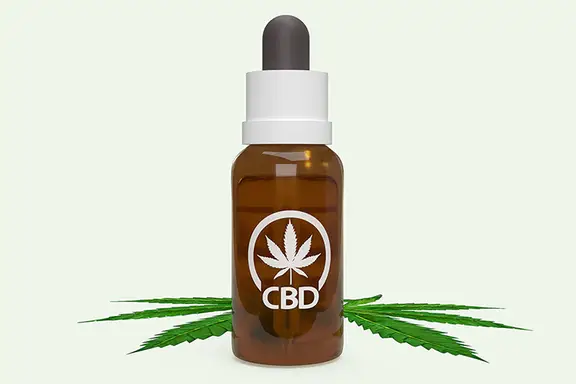
The star of the show! CBD oil or isolate is the active ingredient in your topical. You can use full-spectrum CBD oil, which contains all cannabinoids and terpenes from the hemp plant, or CBD isolate, which is pure cannabidiol. Full-spectrum CBD offers an “entourage effect” with enhanced benefits due to the presence of other cannabinoids, while isolate is ideal if you prefer THC-free products.
2. Carrier Oils
Carrier oils serve as the base of your topical and help deliver CBD to the skin. Common carrier oils include:
- Coconut oil: This is a popular choice because of its skin-nourishing properties and ability to solidify at room temperature, making it ideal for balms.
- Olive oil: Rich in antioxidants and deeply moisturizing, olive oil is great for lotions and creams.
- Jojoba oil: Known for its close resemblance to the skin’s natural sebum, jojoba oil is perfect for sensitive or oily skin types.
3. Beeswax
Beeswax is a natural thickener that helps give your topical its texture and ensures it stays solid at room temperature. It also provides a protective barrier on the skin, locking in moisture.
4. Shea Butter or Cocoa Butter
These are emollients that hydrate and soften the skin. They’re commonly used in body butters and creams for added moisture.
5. Essential Oils (Optional)
For fragrance and added benefits, you can include essential oils in your CBD topicals. Lavender essential oil, for example, is known for its calming properties, while peppermint oil can enhance cooling sensations for muscle relief.
How to Make CBD-Infused Topicals: A Step-by-Step Guide
Now that you know the key ingredients, let’s dive into how to make your own CBD-infused topicals at home. Below, we’ll cover a basic recipe for CBD balm, which you can adjust to create different products such as lotions or creams.
Step 1: Gather Your Ingredients and Tools
For a simple CBD balm, you will need the following:
- ½ cup coconut oil (or another carrier oil)
- ¼ cup beeswax
- 2 tablespoons shea butter or cocoa butter
- 500-1000 mg CBD oil (adjust based on desired potency)
- Optional: 10-15 drops of essential oil (e.g., lavender, eucalyptus)
- Double boiler or heat-safe bowl
- Small jars or tins for storage
Step 2: Melt the Carrier Oils and Beeswax
Using a double boiler (or a heat-safe bowl placed over a pot of boiling water), melt the coconut oil, beeswax, and shea butter together. Stir continuously to ensure even melting. Be patient, as beeswax can take a bit longer to melt compared to the other ingredients.
Step 3: Add CBD Oil
Once the beeswax and other ingredients are fully melted, remove the mixture from heat. Allow it to cool slightly (but not solidify) before adding your CBD oil. Stir the mixture thoroughly to distribute the CBD evenly throughout the balm.
Step 4: Add Essential Oils (Optional)
If you’re using essential oils, now is the time to add them. Simply stir in 10-15 drops of your chosen oil for added fragrance and benefits. For example, peppermint oil can provide a cooling sensation, while lavender oil is known for its soothing properties.
Step 5: Pour Into Containers
Carefully pour your CBD balm mixture into small jars or tins while it is still liquid. Allow the balm to cool and solidify at room temperature, which should take about 1-2 hours.
Step 6: Store and Use
Once your CBD balm has set, it’s ready to use! Store your balm in a cool, dry place to maintain its consistency. Apply it directly to sore muscles, joints, or areas of the skin that need hydration or relief.
Customizing Your CBD Topicals
One of the best parts about making your own CBD topicals is the ability to customize them based on your preferences and needs. Here are a few ways to personalize your recipes:
Adjust the CBD Potency
If you want a stronger or milder CBD topical, simply adjust the amount of CBD oil or isolate you use. For instance, for more concentrated relief, you can increase the CBD dosage in the recipe.
Change the Texture
By adjusting the ratio of beeswax to carrier oil, you can change the texture of your topical. Adding more beeswax will make the balm firmer, while more oil will create a softer, cream-like consistency.
Use Different Essential Oils
You can mix and match essential oils to enhance the therapeutic properties of your CBD topical. For relaxation, lavender and chamomile are excellent choices. For muscle relief, peppermint and eucalyptus provide cooling effects.
Benefits of CBD-Infused Topicals
CBD topicals offer a range of benefits, from localized pain relief to skin nourishment. Some of the key advantages include:
- Localized Relief: CBD topicals can target specific areas, such as sore muscles or joints, providing relief right where it’s needed.
- Natural Skin Care: Many CBD topicals contain moisturizing and nourishing ingredients that support healthy skin.
- Non-Psychoactive: Since topicals are not absorbed into the bloodstream, they provide therapeutic effects without the psychoactive effects of THC.
Conclusion
Making your own CBD-infused topicals at home is a great way to take control of the ingredients you use while customizing products to suit your needs. With a few simple ingredients and the right tools, you can create balms, creams, and salves that provide effective relief from pain, inflammation, and skin issues. Experiment with different oils, CBD concentrations, and essential oils to find the perfect formula for you. Happy crafting!